
Cape Coral Flood Zones & Flood Insurance, Explained
John Garuti Updated Jun 11, 2026 4 min read
What FEMA flood zones X, AE, and VE actually mean in Cape Coral, when flood insurance is required, and why new-construction homes are usually much cheaper to insure.
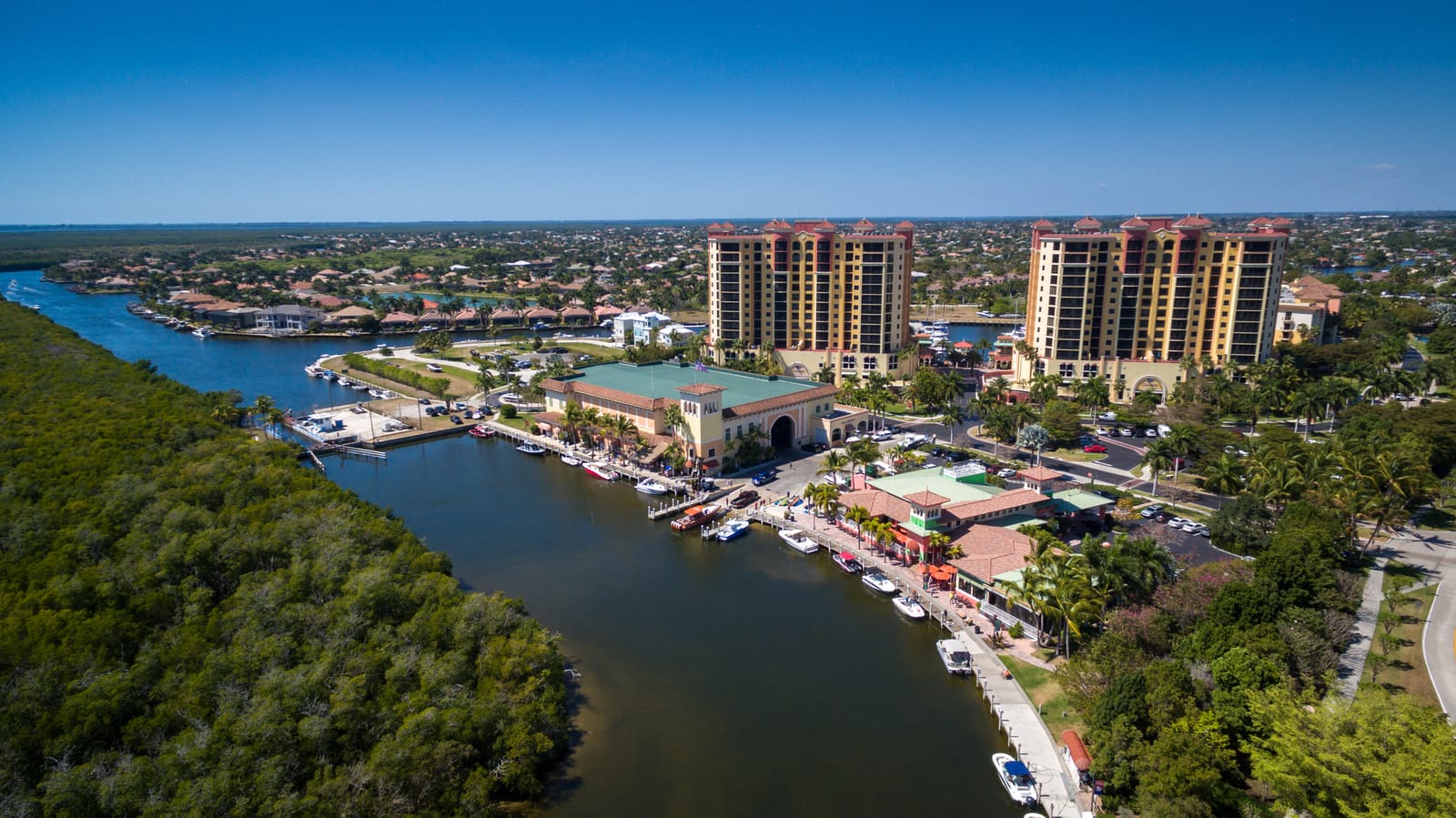
Flood zones are the #1 anxiety for buyers relocating to Cape Coral — and the topic with the most misinformation. Here's the practical version: what the zones mean, when insurance is actually required, what it has to do with elevation, and why new construction changes the math substantially.
Every listing on this site displays its FEMA flood zone directly on the detail page, pulled from FEMA's National Flood Hazard Layer — so you can factor it in before you ever call an agent.
What the FEMA zones actually mean
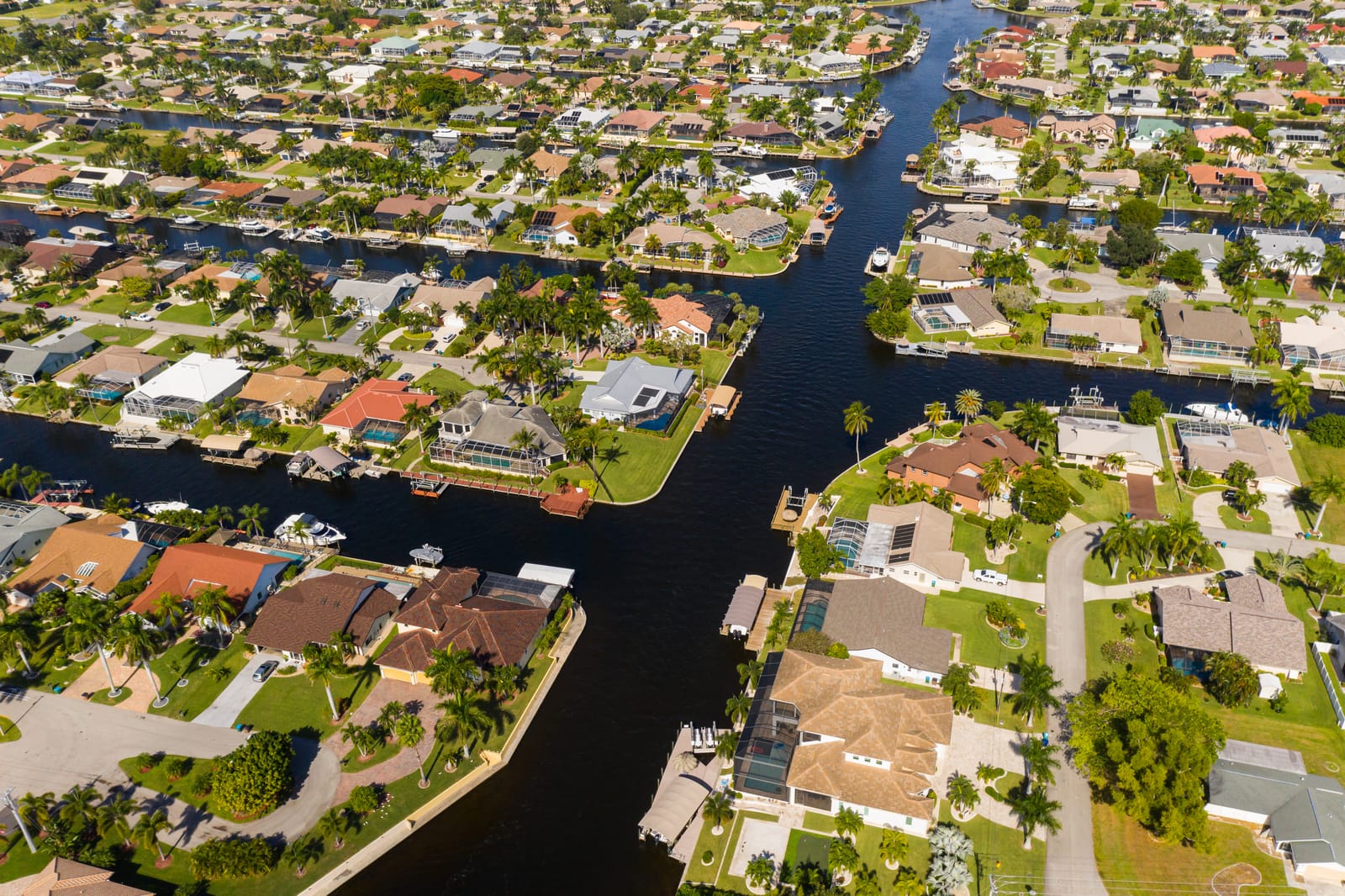
FEMA maps every property into a flood zone based on modeled risk. In Cape Coral you'll encounter three that matter:
| Zone | Risk level | Insurance required? |
|---|---|---|
| X (or shaded X) | Minimal to moderate | Not required (optional, often inexpensive) |
| AE | High risk — the "1% annual chance" floodplain, with a defined Base Flood Elevation | Required with a federally backed mortgage |
| VE | Coastal high-hazard with wave action | Required, most expensive — rare in most of the Cape's interior |
Two crucial nuances:
- The zone alone doesn't set your premium — elevation does. A home built above the Base Flood Elevation (BFE) in zone AE can be cheap to insure; an older home built below it can be painful. The document that proves where you stand is the elevation certificate.
- Zones change. FEMA re-maps periodically, and Lee County's maps have been revised since Hurricane Ian. Always check the current map for the specific parcel — not the street, not the neighborhood. Use FEMA's official lookup (linked below) or the flood zone shown on our listing pages.
Why new construction is the cheat code here
Modern Cape Coral new builds are constructed at or above the current Base Flood Elevation — it's a permitting requirement. That single fact, plus current wind code, is why insurance on a new build is so often dramatically cheaper than on a 1980s–2000s house a street away:
- Flood: built above BFE → favorable NFIP rating (and better private-market quotes).
- Wind/homeowners: new roof, impact windows, current Florida Building Code attachment standards → wind-mitigation credits that older homes only get after expensive retrofits.
- Post-Ian reality: homes built to the modern code performed visibly better. Insurers price that.
When comparing a new build against a resale, get insurance quotes on both before you decide — the difference frequently changes which home is actually cheaper to own. Browse current new construction listings and check the flood zone on any home that interests you.
How to evaluate a specific property — the 5-step checklist
- Look up the parcel's current flood zone (FEMA Flood Map Service Center, or the listing page here).
- Zone X? Insurance is optional. Many owners carry a policy anyway — much of Ian's damage was storm surge in areas people assumed were safe. Optional policies in X zones are usually the cheapest.
- Zone AE? Ask for the elevation certificate. New construction will have one showing it's built to current BFE. For a resale, if the seller doesn't have one, that's a yellow flag — quotes without it default to conservative (expensive) assumptions.
- Get an actual quote early — from an independent agent who writes both NFIP and private flood. Do this during your inspection period, not the week before closing.
- If financing: confirm with your lender whether they require flood coverage and how much. Requirement applies in A/V zones with federally backed loans.
NFIP vs. private flood insurance
The National Flood Insurance Program (NFIP) is the federal default — standardized, capped at $250K dwelling coverage for residential. Private flood insurers compete aggressively in Florida and frequently beat NFIP pricing on newer, higher-elevation homes — another quiet advantage of new construction. A good local agent will quote both. (We're happy to point you to agents buyers have had good experiences with — contact us.)
What about storm surge and hurricanes generally?
Flood zones model riverine/coastal flooding probability; storm surge during a major hurricane can exceed mapped expectations — Ian proved that in 2022. Practical takeaways:
- Elevation is your friend, both for insurance and reality. New builds sit higher.
- Impact windows + current-code roofs (standard on new construction) are the difference-makers for wind.
- Whatever your zone, know your evacuation zone (a different system, run by Lee County) — that's about safety, not insurance.
Further Reading
- FEMA Flood Map Service Center — the official zone lookup for any address.
- Moving to Cape Coral: The Complete Relocation Guide — zip codes, canals, utilities, and costs.
- Buying New Construction in Cape Coral: Step-by-Step — how the build/buy process works.
- Search new construction with flood zones shown — every listing displays its FEMA zone.
Frequently Asked Questions
Do I need flood insurance in Cape Coral?
If the home is in FEMA zone AE or VE and you have a federally backed mortgage, yes — it's legally required. In zone X it's optional. Many Cape Coral homes are in zone X, and many lenders and owners still choose inexpensive optional coverage.
How do I find a home's flood zone?
Every listing on this site shows the parcel's FEMA zone on the detail page. You can also enter any address at FEMA's Flood Map Service Center for the official current map.
Is flood insurance cheaper on new construction?
Usually, yes — new homes must be built at or above the current Base Flood Elevation, which is the main driver of flood premiums. Combined with wind-mitigation credits for new roofs and impact windows, total insurance cost on a new build is often far below a comparable older home.
What is an elevation certificate?
A surveyor's document recording how high a home's lowest floor sits relative to the Base Flood Elevation. It's the key to accurate (often lower) flood quotes in zone AE. New construction comes with one from permitting; on resales, ask the seller for it.
Did FEMA change Cape Coral's flood maps after Hurricane Ian?
Lee County flood maps have been under revision; specific parcels' zones can and do change. Always pull the current map for the exact parcel during your due-diligence period rather than relying on an old listing or a neighbor's experience.
See every new construction home in Cape Coral — live
Straight off the Southwest Florida MLS, refreshed every 15 minutes, with the flood zone, utilities and builder on every card.
Keep reading
All guides
Moving & Relocation
Moving to Cape Coral, Florida: The Complete Relocation Guide
5 min read
Buyer Guides
No HOA, No CDD in Cape Coral: The Freedom (and the $200–$500 a Month) Most Florida Buyers Never Get
6 min read
Buyer Guides
City Water & Sewer vs Septic in Cape Coral New Construction: Which Areas Have What (2026)
8 min read